

Jehovah's Witnesses
Jehovah's Witnesses developed from a Bible study movement that began in the United States during the late nineteenth century. The movement grew from the Bible Student groups associated with Charles Taze Russell and eventually became known as Jehovah's Witnesses. Followers place a strong emphasis on the Bible, preaching, and sharing their beliefs on others. Today, Jehovah's Witnesses are an international religious community known for their public ministry, distinctive beliefs, and use of the Kingdom Hall as a place of worship.
Why Study It?
Studying Jehovah's Witnesses helps people understand religious freedom, evangelism, and how minority religions practice their beliefs.

Place of Worship
Kingdom Hall
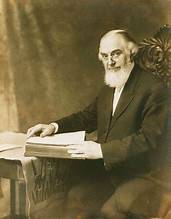
Religious Leader
Charles Taze Russell
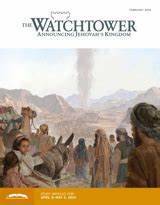
Watchtower magazine
The Watchtower magazine is one of the religion's primary teaching publications and is distributed worldwide.
Quote
"Your word is a lamp to my foot, and a light for my path." - Psalm 119:105

The Watchtower
The Watchtower is an important image associated with Jehovah's Witnesses because it represents their long history of Bible education and religious publishing. The organization has used The Watchtower magazine to teach biblical principles and share its religious beliefs with people around the world. The publication is also connected to the group's emphasis on studying and understanding the Bible. This image captures the importance of teaching, evangelism, and sharing religious beliefs within the Jehovah's Witness community.
Charles Taze Russell
Charles Taze Russell was born in Pennsylvania in 1852 and became interested in studying the Bible as a young man. In the 1870s, he began organizing Bible study groups with others who wanted to examine Christian teachings outside of established churches. Russell became an influential teacher and publisher, eventually establishing the Watch Tower magazine and the Watch Tower Bible and Tract Society. His Bible Student movement eventually developed into the religious organization now known as Jehovah's Witnesses. Although he dies in 1916, his writings and teachings played a major role in shaping the movement's early beliefs and practices.

Create Your Own Website With Webador